Between 2022-2023, Edmonton welcomed more than 100,000 people to our City. For context, that is approximately the entire population of Red Deer, Alberta. In 2024, we welcomed another 73,000 people. We are growing fast towards our first key milestone of 1.25 million people, and as outlined in the City Plan, in the next few decades, we can expect to become a City of 2 million people. People are coming to Edmonton for many different reasons - our affordable housing, job opportunities, our beautiful urban parks, our festival culture and much more - we have become recognized as a great place to call home.
To support this growth and ensure a home for everyone, the City has been planning how we can welcome new neighbours into our communities for over a decade. Policy from past Councils like allowing lot subdivision or ‘splitting’ (2015), legalizing garden suites and backyard dwellings (2017), and removing parking minimums (2019) have all played a role in helping to support a gradual increase in density and more housing choice across the City.
More recently, the Zoning Bylaw Renewal project (2023), which was a major multi-year overhaul of our zoning rules, was completed to modernize zoning and land development in Edmonton. This was important so that our zoning rules better address the changing issues we are seeing in the City, not just rapid population growth, but also housing choice, fiscal and environmental sustainability and affordability. Given this a major policy change with tremendous impact across Edmonton, City staff undertook multiple years of public engagement; And our office worked to get the information out through newsletters delivered to every door in Ward Karhiio, Facebook Live discussions about what changes people can expect, and Community League meetings and events to answer questions. The multi-day Public Hearing held in Fall of 2023 saw the most turnout for rezoning that the City has ever seen. The bylaw decision passed 11-2.
While in the past, a lot of our growth as a City has been outwards and along the edges, we are shifting to balance growth in both new and existing neighbourhoods. In fact, in the City Plan, our Guiding Vision to create a City that works for everyone approved in 2018, our target is that 50% of the new units added are through infill redevelopment across the City. The result is more people at different stages of life and income levels can have access to the parks, playgrounds, schools and other amenities these neighbourhoods have to offer.
I know for many in Ward Karhiio, infill housing is something new and unfamiliar, and for some, these potential changes in their neighbourhoods can come with a lot of emotions and unanswered questions. I understand being hesitant of this change and what is means for communities. However, our cities are constantly evolving. My goal through all of this is to make sure that your voice is heard in the decisions that are being made, and that up-to-date information is accessible on what growth means for our communities. This is why I wanted to put together this blog to answer some of the most frequent questions and concerns I have heard when talking to residents about infill and zoning.
If you have more questions to add to the conversation, or just want to talk more about infill in your community, reach out to me and my team at keren.tang@edmonton.ca. As part of the Zoning Bylaw Renewal, the City is also collecting feedback on how it’s working. This form provides an opportunity for Edmontonians to identify minor errors, potential unintended consequences and potential opportunities for improvement when using Zoning Bylaw 20001.
UPDATE - MARCH 14 2025
To share information and answer community questions about Zoning and Infill in Edmonton, I hosted a virtual Information Session on March 4th 2025 with staff from the City of Edmonton Planning team and EPCOR. You can watch a recording of the full information session below.
Your Frequently Asked Questions on Infill
-
There are numerous benefits to infill housing. Many are aligned with the “Community - Economy - Climate” platform I ran on. A few highlights include:
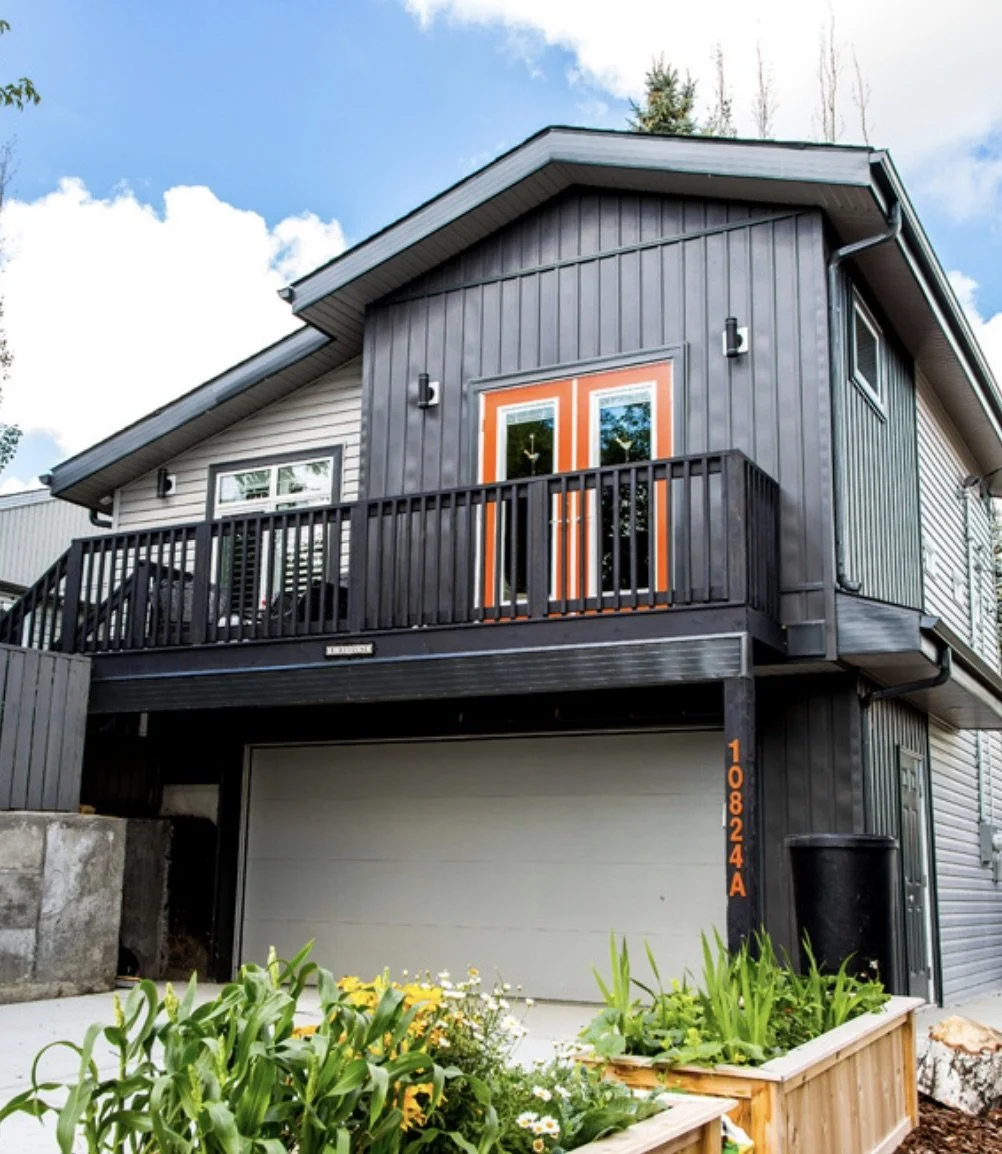
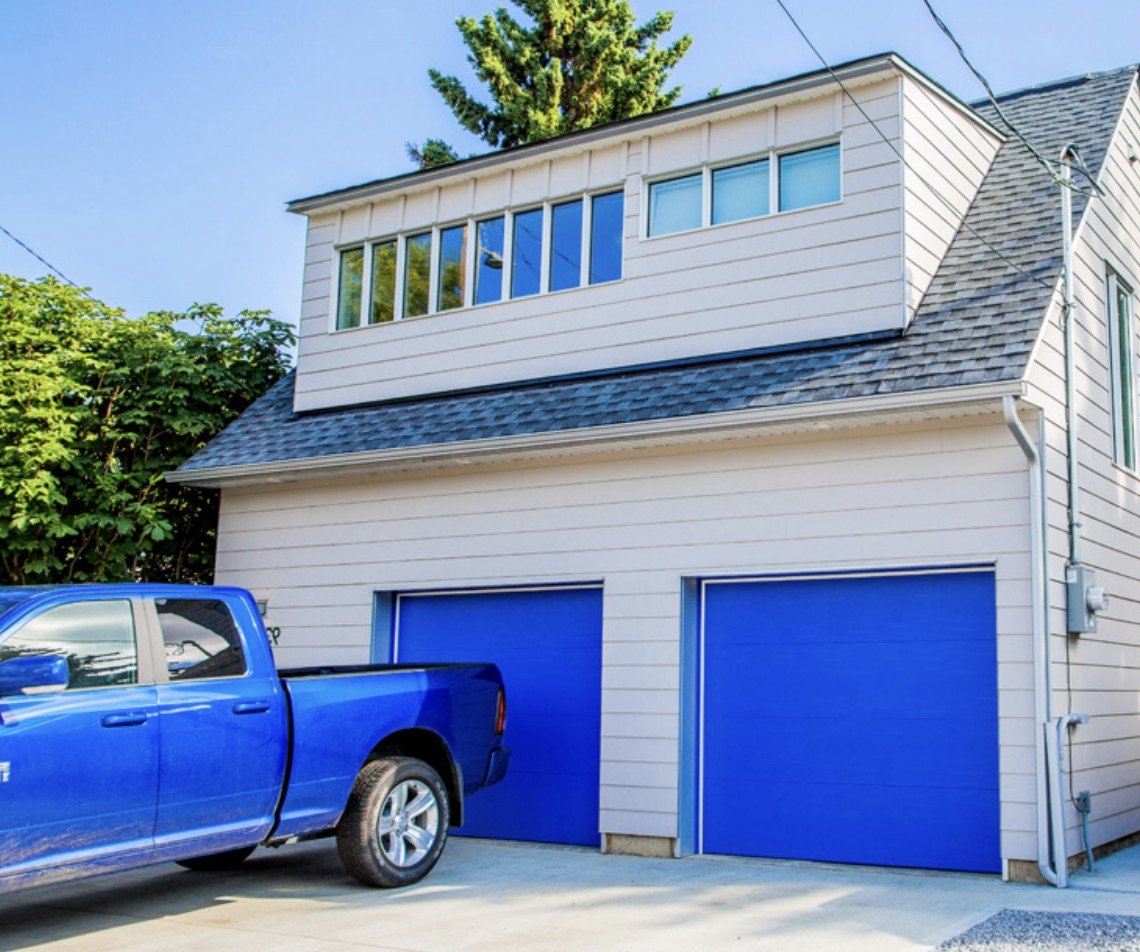
Housing for everyone: While infill housing can be a new Single Family Home, it also includes diverse housing options like row housing, duplexes, secondary suites, backyard houses, and more. Diverse housing options means that in any neighbourhood, different type of people can find housing that works for their circumstances. For example, seniors might want to remain in their neighbourhood but also downsize due to mobility limitations. Or young professionals who might traditionally be priced out of a mature neighbourhood can have an opportunity to live in a desirable area close to amenities or work. Infill helps to provide options to meet everyone’s needs.
Environmental sustainability: Building in established neighbourhoods reduces the environmental impact associated with suburban sprawl like the mass deforestation of natural spaces for homes. Adding homes in areas close to existing amenities like parks, schools, jobs and transit centres means it is easier for people to choose different transportation options (e.g. walking, biking, taking transit) but also reduces carbon emissions from longer commutes for those choosing to drive. In addition, infill homes are usually more energy efficient due to more recent changes in our building code, helping to lower energy consumption.
Fiscal responsibility: New neighbourhoods means new roads, signage, sewers, parks, and the list goes on. While new neighbourhoods are still needed, they are extremely expensive to service and maintain and will lead to ever-growing property taxes. It is more fiscally responsible for us to grow up and not out and maximize the infrastructure we already have invested in. And prioritizing growth around existing investments like the LRT, libraries, or recreation centres can lead to increased use of local amenities - meaning City services can reach more people at a lower cost.
-
Residential infill means new housing in an established or mature neighbourhoods. It includes new secondary suites, garage suites, duplexes, semi-detached and detached houses, row houses, apartments, and other residential and mixed-use buildings (Edmonton’s Infill Roadmap).
-
The City Plan (created when we were a City of 1 million) sets targets of adding 50% of new housing through infill city-wide and welcoming 600,000 people to the redeveloping area (roughly inside the Anthony Henday) by the time Edmonton’s population reaches 2 million.
-
Infill includes many different options for building types. What can be built depends on the zoning of the land, along with the lot size to determine what is appropriate.
In a standard Residential Zone (RS for mature neighbourhoods) the most permitted is 8 units per lot, EXCEPT on corner lots that could see up to 10 units. These developments must still meet all required guidelines for setbacks, height, and site coverage to allow for more units.
Any proposal greater than this would go to a public hearing.
Definition of RS Zone: allows for a range of small scale Residential development up to 3 Storeys in Height, including detached, attached, and multi-unit Residential housing. Limited opportunities for community and commercial development are permitted to provide services to local residents.
-
Much like housing needs, parking needs are diverse. Some families have two cars. Some have none. Many folks who are renters, students, or low-income may not have a personal vehicle and utilize transit. Even if an infill has a garage, no one is required to park in their garage, and they may choose to park on the street. Much like our own homes, some people park in the garage, some people park on the street. Some people park on a driveway.
Back in 2020 (prior to the current Council), the City enabled Open Option Parking, which removed minimum parking requirements from the Zoning Bylaw and allows homeowners and businesses to decide how much on-site parking to provide on their properties based on their particular operations, activities or lifestyle. In Edmonton much of our neighbourhood street parking is also not “regulated”, or owned by anyone. It operates on a first come first serve basis to anyone utilizing the space.
Most projects will still choose to include some form of parking. Remember, builders are competing for sales or renters, and there is a recognition that if you want to attract tenants or buyers who have a car, you need to accommodate for a car. Ultimately, a builder wants to make their project appealing to renters or to buyers. If a builder is choosing not to include parking, it could be due to numerous reasons such as proximity to transit (like our new Valley Line Southeast LRT).
Curbside Management
The introduction of Open Option Parking was recognized as having potential impacts to on-street curbside parking demand and utilization patterns over time. As a result, the City has developed a Curbside Management Strategy, which seeks to more equitably and strategically manage and diversify how we use our public curbside space. Learn more about this strategy here.
Street Parking during a Parking Ban
With our Edmonton winters, we know how important it is to have streets that support safe travel conditions. When heavy snow falls, the City will declare a Parking Ban. During a Phase 2 Parking Ban, the City will clear residential roads and neighbourhood streets. During this time, Edmontonians play a key role in supporting City staff and contractors by moving their vehicles off the roads scheduled for clearing.
During a Residential Phase 2 Parking Ban, people can park on any road that has been cleared if parking is allowed there normally (check out the Parking Ban Map) - this can include Major Roads cleared in a Phase 1 Parking Ban. The City also has designated snow and ice alternative parking stalls and lots for Edmontonians during a parking ban - find out more information here.
-
This is one of the most asked questions we receive in our office when talking about infill development. We encourage any customer who is experiencing water or sewer trouble to call EPCOR’s 24/7 emergency line at 780-412-4500.
Before any development proceeds, City Administration examines and takes into account all of the needs and pressures in an area, including utility needs with consultation from EPCOR. If utilities do require maintenance or upgrading (e.g. there might be a history of sewage issues) this is part of the assessment process BEFORE a development permit is issued.
EPCOR was involved with the Zoning Bylaw Renewal and associated updates to the drainage design standards. Through that exercise, there were minimal concerns with the number of dwellings being allowed in an RSF or RS lot. For smaller infill developments like this, the increased sanitary flow is minimal and can be handled by the existing sewer system. Nowadays many people use low flow fixtures and appliances in their homes. Stormwater flows are also generally not impacted by small infill developments.
In the case of large infill developments such as high-rises and condos, the developer is required to evaluate the capacity in the sewers and submit their findings to the City. If there is insufficient capacity in the existing sewer system, the developer is responsible for working with EPCOR to upgrade the system to support their new buildings.
Infill development projects often need a new sewer line connection from the building to the sewer main. The homeowner or developer is responsible for paying for the new connection up to the sewer main. EPCOR constructs the portion of the connection from the property line to the sewer main, and the construction costs are charged to the homeowner or developer.
One of the bigger problems emerging is that low density development doesn't have the population or the tax base to generate enough taxes to pay for the replacement of the aging infrastructure. Denser housing options like apartments cost far less per capita and per unit to support infrastructurally, and can help with addressing infrastructure upgrades and additions.
-
The Design and Construction Standards apply to City contracts and / or private development projects. This ensures all infrastructure work in the City is constructed to a consistent standard.
During the permit application process, the City also audits the design of a project. It confirms that the construction intentions comply with minimum safety standards enacted under the Alberta Safety Codes Act.
I also want to clarify what Zoning regulates. Zoning is about:
What can be built where
Permitted types of buildings and activities
Implementing municipal land use plans
Zoning is not about:
Regulating groups of people or behaviours
How buildings are built
Exactly what a building looks like
-
According to assessment and taxation data in Edmonton, it does not. Over the last ten years lots of infills have gone into many neighbourhoods, and even multi-unit, low, or mid-rise apartments have not lowered property values.
-
Since infill does not require new infrastructure (e.g. roads, sewers, parks, water systems, electrical distribution), it is a much more efficient way to use land and resources. This means more people with less new space to service. For example, a street with 10 units compared to a street with 15 units will still require the same amount of snow clearing - the difference is that there are more people who can help to support the cost of the service to keep it affordable.
In fact, infill helps to generate new revenue for the City (or tax uplift), helping to keep property taxes more stable.
-
Many of the mature neighbourhood schools are not full from the local catchment area and require students to be bused in, or a program of choice to support their viability. Infill can help bring more children into a neighbourhood, especially when there is a critical mass of new families. While some schools are experiencing overcrowding, usually that is due to the "open boundaries" demand or the "programs of choice" offered by the Edmonton Public School Board.
It is important to remember that communities undergo a sorting process, and while some new infills may not be family-friendly, the renters moving into them may be freeing up space in other homes that might be more conducive to a young family.
Learn more about Edmonton Public Schools at epsb.ca
-
The City of Edmonton has a Noise Bylaw which applies to all areas across the City, and allows for enforcement for sounds which disturb the peace, comfort or repose of individuals or that affects the safety or health of citizens.
Most noise is only permitted between 7am-10pm, 7 days a week.
If you are concerned about construction noise during a new infill project, construction work is only permitted:
Monday-Saturday - 7am-9pm
Sunday and Statutory Holidays: 9am-7pm
Construction work MUST also follow the noise levels outlined in the Community Standards Bylaw. If you are having issues with noise at a construction site please contact 311.
-
During the development permit application process, the City’s Waste Collection staff will review all applications for multi-residential units, including small-scale residential developments, to determine the best waste management solution for the site.
Depending on the number of units and the site specifications, waste may be collected in carts and bags at the curb or alley (e.g. a duplex or a garden suite), or with a combination of shared bins and carts (e.g. a small scale apartment). The final proposed solution will be specific to the project.
-
There are a lot of resources to help you learn more about infill in your community:
Search maps.edmonton.ca to see what type of development is allowed on your property through the Zoning Bylaw and to see nearby development applications.
Explore the available resources related to the new Zoning Bylaw.
Review the City’s Lot Grading Guidelines:
Visit the New Home Construction page for application requirements.
Visit the City’s Daily List of Development Applications - a collection of all development permit applications that has been submitted. Please note, inclusion on this list does not mean applications are approved, only applied for.
-
The City is developing a number of tools and resources to ensure builders meet their responsibilities, and follow best practices and guidelines associated with construction. This includes:
Centralized Office for Residential Development Complaints
Two new positions will be hired in 2025 to create a centralized office for residential development complaints. The team will receive, prioritize and coordinate complaints, inspection and responses. The centralized office is expected to create a consistent approach to residential development complaints. This Office will also modernize and update the dashboard.
Project Implementation Plan (PIP)
The PIP is a document that builders are required to submit when applying for construction permits in Edmonton to proactively plan for a safe construction site. It helps lay out an applicant's roles and responsibilities, requires an excavation strategy, encourages communication with neighbours and allows for enforcement mechanisms.
Construction Accountability Program (CAP)
The CAP is currently in development and is expected to be rolled out later in 2025. It will provide a data-driven mechanism for the City to track applicant outcomes and respond accordingly, up to and including the right to refuse to issue a permit to builders with too many infractions. It will also allow for conditions to be placed on any subsequent permits they receive to compel better building practices.Development Compliance Reporting
The development compliance team investigates all general land use and residential living Zoning Bylaw complaints on private property. This includes activities that are not allowed in the property’s zone or breaching conditions of a development permit. The team generally follows a 4E model of escalation (engage, educate, encourage and enforce) when investigating and addressing complaints. This recognizes evolving tactics as customers move through the spectrum so that engagement and education through verbal warnings will occur before enforcement efforts. It also means frequent violators will be escalated quickly through the model.
The majority of projects do tend to be well executed with a minority presenting some issues. The first step for reporting is always to document and connect with 311 or emailing developmentcompliance@edmonton.ca. -
If a proposed use is permitted in an RS Zone and complies with all of the relevant zone requirements (e.g. lot coverage, setbacks, etc.), there is no rezoning required or coming to City Council for a decision.
With respect to appealing, the right to appeal a Permitted Development that complies with all Zoning Bylaw requirements is only possible in cases of misinterpretation of the Zoning Bylaw. However, if an application is approved by a Development Planner and requires a variance (i.e. a modification to a zoning regulation), neighbours within a 60m radius would be notified by mail and can provide feedback on the development application. You would also have the right to appeal the permit through the Subdivision and Development Appeal Board (SDAB). More information about the Zoning Bylaw and development process can be found at Edmonton.ca/ZoningBylaw.
Please note: The appeals process and the notification radius of 60m is the same as the previous Zoning Bylaw. This has NOT changed. The standards for notification and process for rezoning is set out in the Municipal Government Act which is the legislative framework under which all municipalities in Alberta operate.
If the proposed use does NOT comply with what is permitted in an RS Zone/zone requirements then it will require a Rezoning to allow for any potential new development. All Rezonings will come to a City Council Public Hearing. During the Public Hearing, City Council may hear from the applicant and any other members of the public interested in the rezoning.
To notify residents about a rezoning application, City staff mail a notice to all municipal addresses and property owners within a minimum of 60 metres of the lands being rezoned, as well as affected community leagues and business associations, advising them that a rezoning application has been received by the City. Depending on the complexity of the application, circulation comments, and community response, the City may decide to host an in-person or virtual public engagement opportunity to collect feedback on the application. Learn more about the Rezoning process here.
-
Development at the edges of the City continues to occur, in addition to infill housing in our mature neighbourhoods. Developing in new land like this is referred to as green field development. Limiting development to the edges results in the footprint of our City becoming bigger and bigger - this is called ‘urban sprawl’ and is unsustainable for the financial future of Edmonton.
As mentioned above, new neighbourhoods means new roads, signage, sewers, parks, and the list goes on. While new neighbourhoods are still needed, they are extremely expensive to service and maintain and will lead to ever-growing property taxes. It is more fiscally responsible for us to grow up and not out and maximize the infrastructure we already have invested in. And prioritizing growth around existing investments like the LRT, libraries, or recreation centres can lead to increased use of local amenities - meaning City services can reach more people at a lower cost.
-
The City is investing in communities like Blatchford, the Exhibition Lands and the Quarters to support our growing population.
In 2024, we have continued to see new units be built in Blatchford, a neighbourhood which will house 30,000 residents at full build out. The Northlands Coliseum is slated for demolition and will open up the Edmonton Exhibition Lands for a major redevelopment opportunity, becoming the second largest urban infill site in the City. And in the Quarters, we continue to see active land sales, including City-owned land, to allow for redevelopment and more affordable housing.
However, with the amount of population growth we are seeing in the City, and with our population horizon set at 2 million by 2065, these neighbourhoods alone do not provide enough space to house new residents. If we do not welcome infill development in all corners of the City, we will not have enough housing to support the projected growth. As mentioned in the City Plan, as the City expands from 1 million to 2 million people, we will see about 600,000 people welcomed into neighbourhoods inside of the Anthony Henday.
In addition, neighbourhoods like Blatchford, Exhibition Lands or the Quarters might not be the right fit for all Edmontonians. Having infill across all corners of the City means there is more housing choice - people can choose the neighbourhood and the type of home that works best for them and their circumstances. Just like you might choose your home based on your needs and desires, this allows others to do the same.
-
The overhaul of Edmonton’s Zoning Bylaw streamlined development requirements and processes while also enabling opportunities for diverse housing types and more dwelling units per lot. These changes reduce the cost, timelines and regulatory risk associated with the planning and development processes in a number of ways:
Simplifying and reducing regulations, creating more certainty for both applicants and the community around what can be built in neighbourhoods.
Providing more flexibility for what is permitted as part of a new development, enabling housing designs that are flexible and compatible with their surroundings.
Under Edmonton’s new Zoning Bylaw, a greater variety of housing types are permitted as of right - including apartments, row houses, mixed-use houses, secondary suites and backyard houses. These housing forms account for 68 per cent of the City’s total permitted residential units in 2024. This is up approximately 21 per cent compared to a decade ago.
To support engagement in Ward Karhiio around the Zoning Bylaw Renewal my office organized a Facebook Live on the ZBR prior to the Public Hearing in 2023. We also mailed out engagement information and the Public Hearing date to all doors in Ward Karhiio as part of our bi-annual print newsletter! This is all in addition to the City’s multi-year engagement processes 6-day Public Hearing on the bylaw where we heard from 100’s of Edmontonians.
You can read my past blog posts on the Zoning Bylaw Renewal here:
Reflections on the Zoning Bylaw Renewal (Recap of the Public Hearing)
Zoning in the City & the Zoning Bylaw Renewal Process (Community Conversation)
The updated Zoning Bylaw passed at City Council with an 11-2 vote. Council also put forward 19 motions to direct Administration to refine the areas in the Zoning Bylaw highlighted by Edmontonians during the public hearing and engagement to help make the bylaw stronger.
-
You can find the definition for a corner lot in the Zoning Bylaw.
Corner Lot means a Lot that is:
located at the intersection of 2 Streets, if the angle of the intersection is less than 135 degrees; or
Abutting a Street that is curved less than 135 degrees where it Abuts the Lot, in compliance with Section 5.130.
You can find an image describing corner lots here.
In terms of Zoning rules for a corner lot in a RS (Small Scale Residential) Zone, the number of dwellings allowed on a corner lot depends on its size. Based on the 75 m2 / dwelling unit regulation in the Zoning Bylaw, for a hypothetical lot area of 675 m2, it would allow for 9 units (675 m2 divided by 75m2 / dwelling = 9 dwellings). Similarly, if the corner lot was only 450 m2 in size, then that lot could only be allowed to have 6 dwellings (450 m2 divided by 75 m2 / dwelling = 6 dwellings). Based on data as of March 6th 2025, 10 units has been the highest number of dwelling units approved for a corner lot.
Corner lots are different than interior lots which are limited to a maximum of 8 dwelling units depending on their size.
-
The RS Zone allows for a range of small scale Residential development up to 3 Storeys in Height (max 10.5 metres), including detached, attached, and multi-unit Residential housing. The following housing types are permitted in the RS Zone under the Residential Use category:
Single-detached housing
Semi-detached housing
Duplexes
Row housing
Small apartment housing
Backyard housing
Secondary suites
Lodging houses
Supportive housing
Cluster housing
While the RS Zone provides flexibility in the types of housing forms that may be built on a site, rules such as setbacks, site coverage, minimum site area and height maximums will create practical limitations on how big buildings can be and where they can be located on a property.
The RS Zone also provides opportunities for limited community and commercial development to provide Edmontonians with amenities and services, such as child care services or coffee shops, directly within their neighbourhood. The location, size, and activities of commercial and community uses in the RS Zone are limited to maintain the small scale intent of the zone and mitigate potential land use impacts on neighbouring properties.
Check out the Zoning Bylaw for more details.
-
The new Zoning Bylaw went into place January 1, 2024. Part of implementing the new Zoning Bylaw includes collecting feedback on how it’s been working over the last year.
The City is currently collecting feedback on the Zoning Bylaw. Edmontonians can identify minor errors, potential unintended consequences and potential opportunities for improvement when using the Zoning Bylaw .
Fill out the Zoning Bylaw 20001 Feedback form here. You can also email feedback to ZoningBylawRenewal@Edmonton.ca.
The City uses this feedback and other analysis to monitor the outcomes of Zoning Bylaw 20001 and to inform potential future changes to the Bylaw.
My office will also be using resident feedback to help inform the discussion and questions to Administration during the 1-year ZBR review.
-
No - as a City we are required by the Municipal Government Act to review land use on a regular basis. We have a legislative authority and responsibility to deliver on this requirement.
In Edmonton, we are also currently facing a Housing Emergency. If we were to wait until after the Zoning Bylaw’s 1-year review, or another date, there will be significant unintended consequences to the development, availability, and affordability of housing in the City.
Check out the FAQ “Will there be a review of the new Zoning Bylaw and how can I share my feedback” to learn how you can share your feedback on the new Zoning Bylaw for the 1-year review.
-
We know a lot of people are interested in seeing the data around the Zoning Bylaw. Check out some Ward Karhiio specific information below:
In 2024 with the new Zoning Bylaw, the City approved building permits for about 15,200 net new dwellings citywide. Of those, about 10 per cent (1,540 net new dwellings) were approved in Ward Karhiio. Compared to 2023, where the City approved building permits for 9,855 net new dwellings citywide, with about 745 (8 per cent) in Ward Karhiio. In Ward Karhiio, the number of net new dwellings almost doubled from 2023 to 2024.
In 2024, about 515 net new dwellings in Ward Karhiio (33 per cent of the total) were apartments. These units were spread across four buildings. Two of the buildings were in The Orchards at Ellerslie and two buildings were approved in the Charlesworth neighbourhood.
The remaining net new dwellings approved in Karhiio in 2024 were single and semi-detached homes (33 per cent of the total), secondary suites and backyard homes (18 per cent of the total), and row houses (15 per cent).
These new homes and dwellings support planned growth as Edmonton continues to grow to become a vibrant and resilient community of 2 million residents.